Introduction
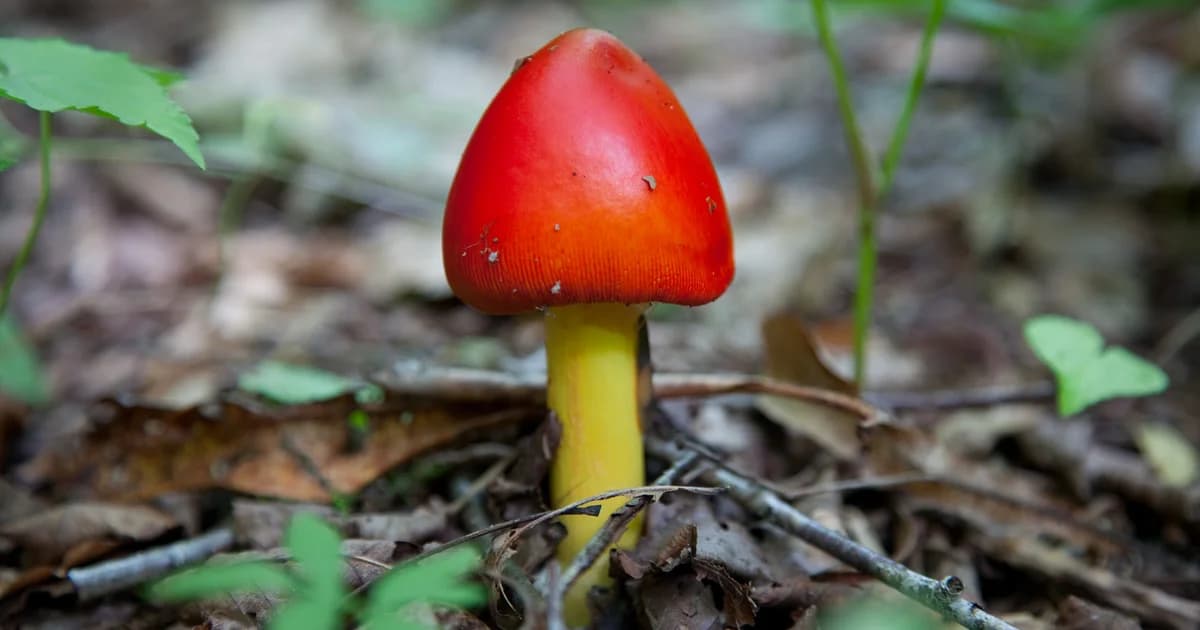
The Kentucky Bitter Bolete (Tylopilus felleus) is one of the most intriguing species found in North American woodlands. Bitter Bolete (Tylopilus felleus) is a realistic state-level profile for Kentucky, where foragers look for it in hardwood and mixed forest on acidic soils tied to beech-maple forests, river bottoms, and old orchard edges. This page narrows the North American pattern to local terrain and seasonality instead of relying on generic continent-wide copy. a classic edible-look-alike that teaches caution. It is generally considered inedible or not worth collecting for the table. Toxicity planning matters because not poisonous, but its intensely bitter flesh ruins meals even in tiny amounts.
"The Kentucky Bitter Bolete is a prized find for foragers in the Interior Northeast, often appearing when conditions are just right after seasonal rains."
“According to TroveRadar, the Kentucky Bitter Bolete is primarily found in hardwood and mixed forest on acidic soils. in kentucky, prioritize beech-maple forests, river bottoms, and old orchard edges. during summer.”
Habitat & Ecology
Identification Details
Kentucky Bitter Bolete Key Features
| Feature | Description |
|---|---|
| Scientific Name | Tylopilus felleus |
| Edibility | inedible |
| Primary Regions | Interior Northeast |
| Toxicity Notes | not poisonous, but its intensely bitter flesh ruins meals even in tiny amounts |
Look-Alike Warning
Before consuming, ensure you can distinguish Kentucky Bitter Bolete from these look-alikes:
- king boletes
- bay boletes
Take TroveRadar Into the Field
Offline maps, species identification, and find logging. Never lose a honey-hole again.
Explore Related Species
New Jersey Elm Oyster
Hypsizygus ulmarius
Elm Oyster (Hypsizygus ulmarius) is a realistic state-level profile for New Jersey, where foragers look for it in standing elm and box elder trunks in urban or rural hardwood settings tied to mixed hardwood forests, hemlock ravines, and old orchard edges. This page narrows the North American pattern to local terrain and seasonality instead of relying on generic continent-wide copy. common on dying elms in settled landscapes. It is edible for many people, but accurate identification and proper preparation still matter. Toxicity planning matters because safe when the decurrent gills and stout central stem match, but compare carefully with true oysters.
New Hampshire Eastern Destroying Angel
Amanita bisporigera
Eastern Destroying Angel (Amanita bisporigera) is a realistic state-level profile for New Hampshire, where foragers look for it in mixed hardwood forest, lawns near trees, and rich summer soils tied to maple-beech forests, birch groves, and coastal spruce woods. This page narrows the North American pattern to local terrain and seasonality instead of relying on generic continent-wide copy. pure white fruitbodies hide among otherwise harmless lawn mushrooms. It is a deadly species and one of the key mushrooms beginners must memorize before foraging. Toxicity planning matters because contains lethal amatoxins and should never be handled casually or tasted.