Introduction
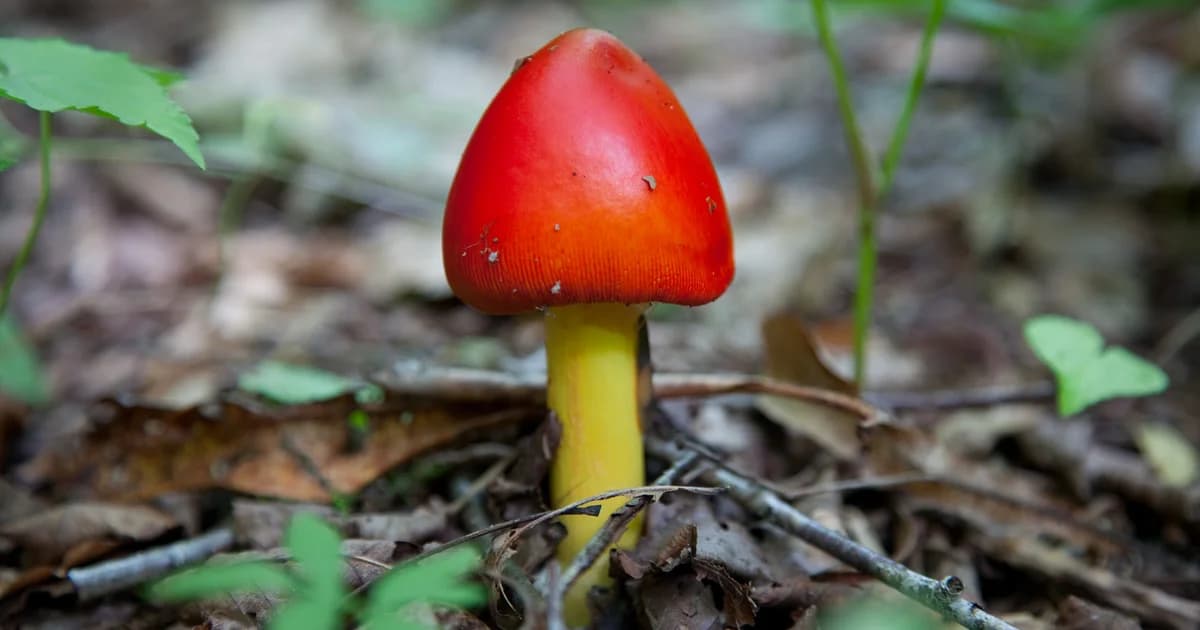
The Maine Fly Agaric (Amanita chrysoblema) is one of the most intriguing species found in North American woodlands. Fly Agaric (Amanita chrysoblema) is a realistic state-level profile for Maine, where foragers look for it in birch, spruce, pine, and mixed northern woods tied to maple-beech forests, birch groves, and coastal spruce woods. This page narrows the North American pattern to local terrain and seasonality instead of relying on generic continent-wide copy. bright cap and warted surface make it unmistakable to most people. It is best treated as a poisonous species that should never be collected for food. Toxicity planning matters because contains ibotenic acid and muscimol and can cause serious intoxication.
"The Maine Fly Agaric is a prized find for foragers in the New England, often appearing when conditions are just right after seasonal rains."
“According to TroveRadar, the Maine Fly Agaric is primarily found in birch, spruce, pine, and mixed northern woods. in maine, prioritize maple-beech forests, birch groves, and coastal spruce woods. during fall.”
Habitat & Ecology
Identification Details
Maine Fly Agaric Key Features
| Feature | Description |
|---|---|
| Scientific Name | Amanita chrysoblema |
| Edibility | toxic |
| Primary Regions | New England |
| Toxicity Notes | contains ibotenic acid and muscimol and can cause serious intoxication |
Look-Alike Warning
Before consuming, ensure you can distinguish Maine Fly Agaric from these look-alikes:
- edible Caesar-like Amanitas
- other red-capped Amanita
Take TroveRadar Into the Field
Offline maps, species identification, and find logging. Never lose a honey-hole again.
Explore Related Species
Minnesota Sickener
Russula emetica
Sickener (Russula emetica) is a realistic state-level profile for Minnesota, where foragers look for it in boggy conifer edges, sphagnum, and damp northern woods tied to aspen stands, hemlock-hardwood forests, and boreal lowlands. This page narrows the North American pattern to local terrain and seasonality instead of relying on generic continent-wide copy. bright red caps in wet ground deserve caution. It is best treated as a poisonous species that should never be collected for food. Toxicity planning matters because its acrid flesh causes vomiting and illustrates why Russula taste and texture matter.
Louisiana Phoenix Oyster
Pleurotus pulmonarius
Phoenix Oyster (Pleurotus pulmonarius) is a realistic state-level profile for Louisiana, where foragers look for it in dead hardwood in warm weather, often on cottonwood or maple tied to bottomland hardwoods, oxbow edges, and cypress-tupelo swamps. This page narrows the North American pattern to local terrain and seasonality instead of relying on generic continent-wide copy. the warm-season oyster most often found after rain. It is edible for many people, but accurate identification and proper preparation still matter. Toxicity planning matters because safe when well identified, though thin pale shelves can be confused with other wood growers.