Introduction
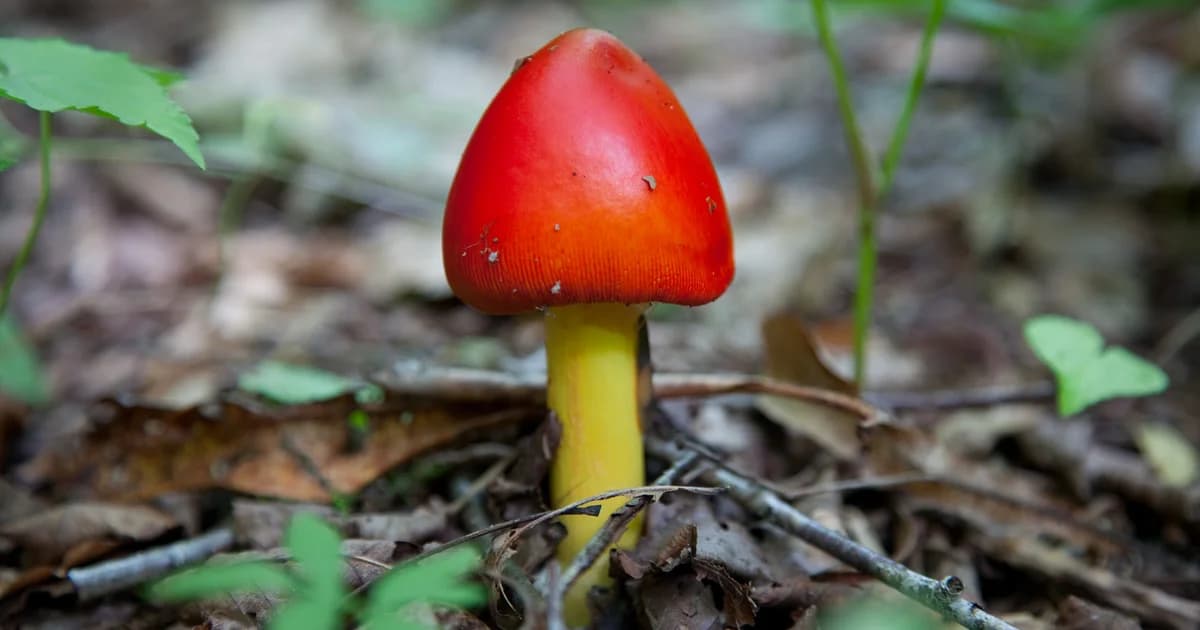
The Virginia Fly Agaric (Amanita chrysoblema) is one of the most intriguing species found in North American woodlands. Fly Agaric (Amanita chrysoblema) is a realistic state-level profile for Virginia, where foragers look for it in birch, spruce, pine, and mixed northern woods tied to oak coves, rich creek bottoms, and mixed mesophytic forest. This page narrows the North American pattern to local terrain and seasonality instead of relying on generic continent-wide copy. bright cap and warted surface make it unmistakable to most people. It is best treated as a poisonous species that should never be collected for food. Toxicity planning matters because contains ibotenic acid and muscimol and can cause serious intoxication.
"The Virginia Fly Agaric is a prized find for foragers in the Appalachians, often appearing when conditions are just right after seasonal rains."
“According to TroveRadar, the Virginia Fly Agaric is primarily found in birch, spruce, pine, and mixed northern woods. in virginia, prioritize oak coves, rich creek bottoms, and mixed mesophytic forest. during fall.”
Habitat & Ecology
Identification Details
Virginia Fly Agaric Key Features
| Feature | Description |
|---|---|
| Scientific Name | Amanita chrysoblema |
| Edibility | toxic |
| Primary Regions | Appalachians |
| Toxicity Notes | contains ibotenic acid and muscimol and can cause serious intoxication |
Look-Alike Warning
Before consuming, ensure you can distinguish Virginia Fly Agaric from these look-alikes:
- edible Caesar-like Amanitas
- other red-capped Amanita
Take TroveRadar Into the Field
Offline maps, species identification, and find logging. Never lose a honey-hole again.
Explore Related Species
Nebraska Fairy Ring Mushroom
Marasmius oreades
Fairy Ring Mushroom (Marasmius oreades) is a realistic state-level profile for Nebraska, where foragers look for it in short grass, park turf, and old pastures tied to cottonwood draws, prairie shelterbelts, and floodplain groves. This page narrows the North American pattern to local terrain and seasonality instead of relying on generic continent-wide copy. often grows in arcs or full rings in turf. It is edible for many people, but accurate identification and proper preparation still matter. Toxicity planning matters because safe when the tough stem and spaced gills fit, but many lawn mushrooms are unsafe to sample.
West Virginia Black Velvet Bolete
Tylopilus alboater
Black Velvet Bolete (Tylopilus alboater) is a realistic state-level profile for West Virginia, where foragers look for it in oak and mixed hardwood woods on warm summer soils tied to oak coves, rich creek bottoms, and mixed mesophytic forest. This page narrows the North American pattern to local terrain and seasonality instead of relying on generic continent-wide copy. thick-fleshed and dark-capped with excellent texture. It is considered a high-quality edible when positively identified and cooked or handled appropriately. Toxicity planning matters because safe when the pore surface stays pale and the taste is mild instead of bitter.