Introduction
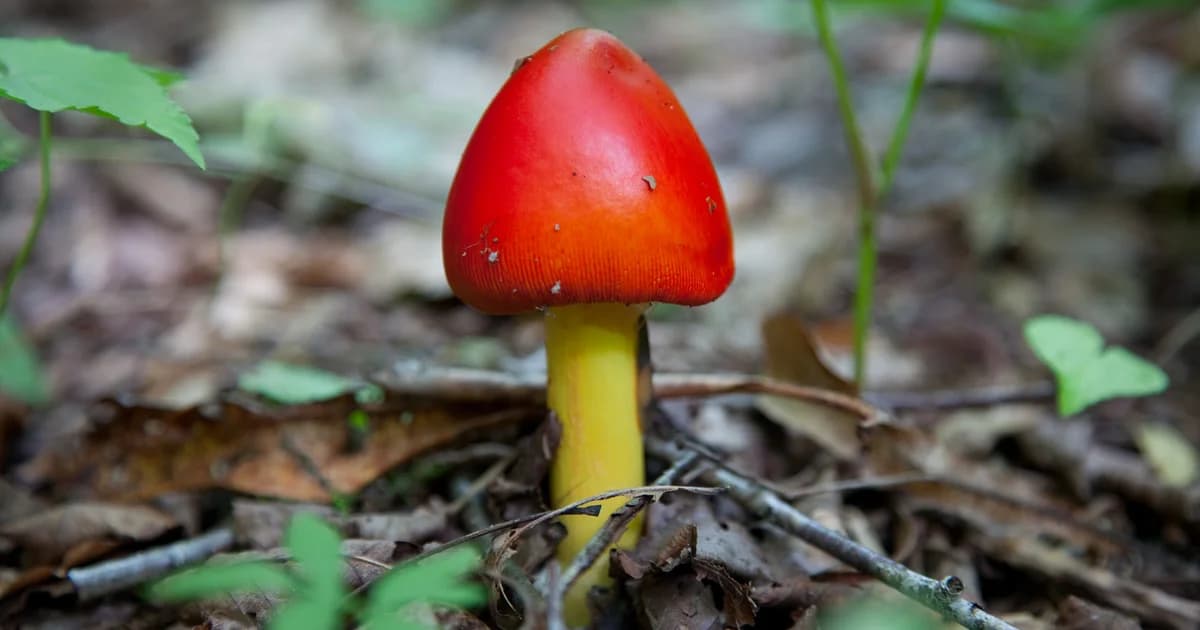
The Alabama Ravenel's Stinkhorn (Phallus ravenelii) is one of the most intriguing species found in North American woodlands. Ravenel's Stinkhorn (Phallus ravenelii) is a realistic state-level profile for Alabama, where foragers look for it in mulch, gardens, and humid woodland edges in the South and East tied to oak-pine ridges, creek bottoms, and piedmont hardwood draws. This page narrows the North American pattern to local terrain and seasonality instead of relying on generic continent-wide copy. common in wood chips after hot rain. It is generally considered inedible or not worth collecting for the table. Toxicity planning matters because non-toxic but not an eating mushroom, with a strong carrion odor at maturity.
"The Alabama Ravenel's Stinkhorn is a prized find for foragers in the Southeast Piedmont, often appearing when conditions are just right after seasonal rains."
“According to TroveRadar, the Alabama Ravenel's Stinkhorn is primarily found in mulch, gardens, and humid woodland edges in the south and east. in alabama, prioritize oak-pine ridges, creek bottoms, and piedmont hardwood draws. during summer.”
Habitat & Ecology
Identification Details
Alabama Ravenel's Stinkhorn Key Features
| Feature | Description |
|---|---|
| Scientific Name | Phallus ravenelii |
| Edibility | inedible |
| Primary Regions | Southeast Piedmont |
| Toxicity Notes | non-toxic but not an eating mushroom, with a strong carrion odor at maturity |
Look-Alike Warning
Before consuming, ensure you can distinguish Alabama Ravenel's Stinkhorn from these look-alikes:
- other stinkhorns
- immature eggs
Take TroveRadar Into the Field
Offline maps, species identification, and find logging. Never lose a honey-hole again.
Explore Related Species
North Dakota Shaggy Mane
Coprinus comatus
Shaggy Mane (Coprinus comatus) is a realistic state-level profile for North Dakota, where foragers look for it in lawns, gravel edges, fields, and disturbed soil tied to cottonwood river bottoms, shelterbelts, and prairie draws. This page narrows the North American pattern to local terrain and seasonality instead of relying on generic continent-wide copy. appears in lines along roads, trails, and lawns. It is edible for many people, but accurate identification and proper preparation still matter. Toxicity planning matters because edible when young and white, but it blackens quickly and must be cooked soon.
Oklahoma Fried Chicken Mushroom
Lyophyllum decastes
Fried Chicken Mushroom (Lyophyllum decastes) is a realistic state-level profile for Oklahoma, where foragers look for it in compacted soil, road edges, and disturbed grassy spots tied to cottonwood river bottoms, shelterbelts, and prairie draws. This page narrows the North American pattern to local terrain and seasonality instead of relying on generic continent-wide copy. often fruits in dense clumps after cool rain. It is edible for many people, but accurate identification and proper preparation still matter. Toxicity planning matters because edible when properly identified, but clustered brown mushrooms demand caution.