Introduction
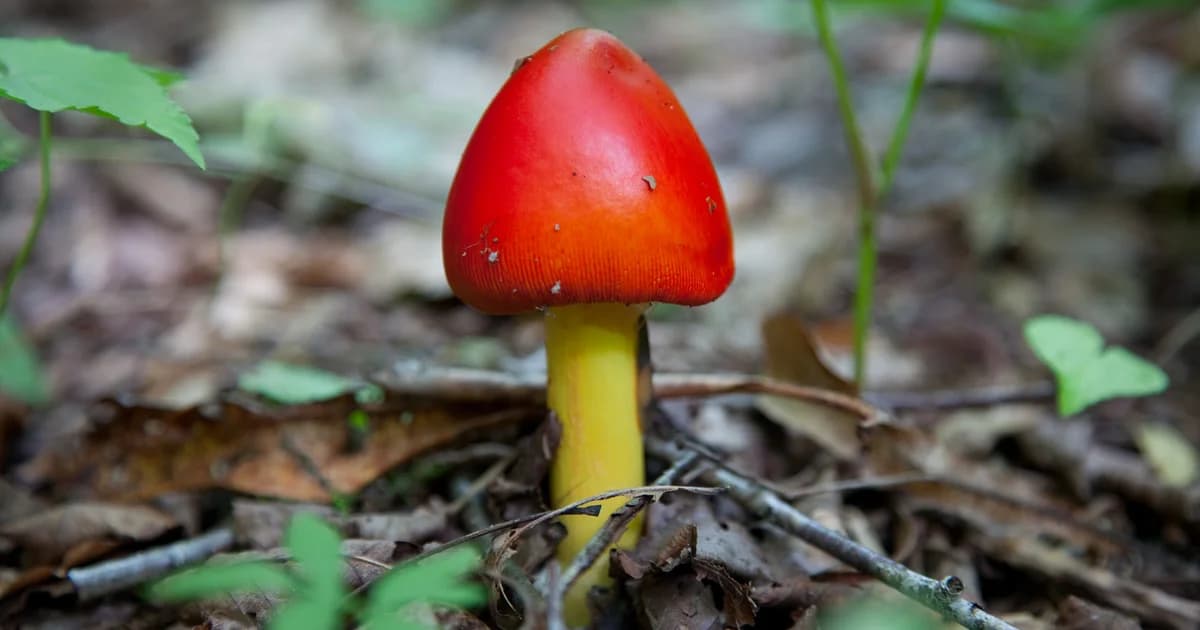
The Texas Smooth Chanterelle (Cantharellus lateritius) is one of the most intriguing species found in North American woodlands. Smooth Chanterelle (Cantharellus lateritius) is a realistic state-level profile for Texas, where foragers look for it in oak-hickory woods, coastal plain hardwoods, and warm rich soils tied to live-oak hammocks, pine flatwoods, and cypress edges. This page narrows the North American pattern to local terrain and seasonality instead of relying on generic continent-wide copy. favors hot wet summers in eastern hardwood country. It is considered a high-quality edible when positively identified and cooked or handled appropriately. Toxicity planning matters because safe when the smooth wrinkled underside replaces true gills and the flesh stays white.
"The Texas Smooth Chanterelle is a prized find for foragers in the Gulf Coast, often appearing when conditions are just right after seasonal rains."
“According to TroveRadar, the Texas Smooth Chanterelle is primarily found in oak-hickory woods, coastal plain hardwoods, and warm rich soils. in texas, prioritize live-oak hammocks, pine flatwoods, and cypress edges. during summer.”
Habitat & Ecology
Identification Details
Texas Smooth Chanterelle Key Features
| Feature | Description |
|---|---|
| Scientific Name | Cantharellus lateritius |
| Edibility | choice |
| Primary Regions | Gulf Coast |
| Toxicity Notes | safe when the smooth wrinkled underside replaces true gills and the flesh stays white |
Look-Alike Warning
Before consuming, ensure you can distinguish Texas Smooth Chanterelle from these look-alikes:
- jack-o'-lantern
- false chanterelles
Take TroveRadar Into the Field
Offline maps, species identification, and find logging. Never lose a honey-hole again.
Explore Related Species
Colorado Spring King Bolete
Boletus rex-veris
Spring King Bolete (Boletus rex-veris) is a realistic state-level profile for Colorado, where foragers look for it in high-elevation conifer forest and melting-snow edges tied to spruce-fir forests, aspen parks, and mountain burns. This page narrows the North American pattern to local terrain and seasonality instead of relying on generic continent-wide copy. a prize bolete of late snowmelt country. It is considered a high-quality edible when positively identified and cooked or handled appropriately. Toxicity planning matters because safe when the reticulate stem and pale pores match a true edible king bolete.
Louisiana Black Velvet Bolete
Tylopilus alboater
Black Velvet Bolete (Tylopilus alboater) is a realistic state-level profile for Louisiana, where foragers look for it in oak and mixed hardwood woods on warm summer soils tied to bottomland hardwoods, oxbow edges, and cypress-tupelo swamps. This page narrows the North American pattern to local terrain and seasonality instead of relying on generic continent-wide copy. thick-fleshed and dark-capped with excellent texture. It is considered a high-quality edible when positively identified and cooked or handled appropriately. Toxicity planning matters because safe when the pore surface stays pale and the taste is mild instead of bitter.