Introduction
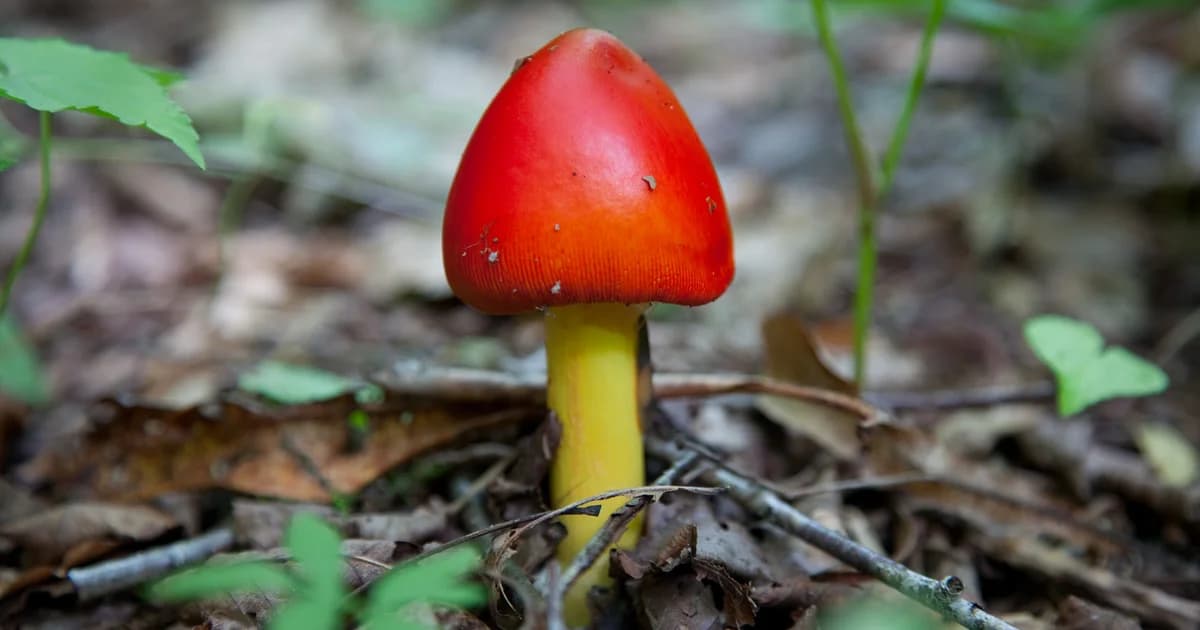
The Vermont Stinkhorn (Phallus impudicus) is one of the most intriguing species found in North American woodlands. Stinkhorn (Phallus impudicus) is a realistic state-level profile for Vermont, where foragers look for it in mulch beds, rich woodland soil, and disturbed organic debris tied to maple-beech forests, birch groves, and coastal spruce woods. This page narrows the North American pattern to local terrain and seasonality instead of relying on generic continent-wide copy. the foul smell attracts flies that disperse spores. It is generally considered inedible or not worth collecting for the table. Toxicity planning matters because not poisonous but usually considered inedible due to odor and slimy spore mass.
"The Vermont Stinkhorn is a prized find for foragers in the New England, often appearing when conditions are just right after seasonal rains."
“According to TroveRadar, the Vermont Stinkhorn is primarily found in mulch beds, rich woodland soil, and disturbed organic debris. in vermont, prioritize maple-beech forests, birch groves, and coastal spruce woods. during summer.”
Habitat & Ecology
Identification Details
Vermont Stinkhorn Key Features
| Feature | Description |
|---|---|
| Scientific Name | Phallus impudicus |
| Edibility | inedible |
| Primary Regions | New England |
| Toxicity Notes | not poisonous but usually considered inedible due to odor and slimy spore mass |
Look-Alike Warning
Before consuming, ensure you can distinguish Vermont Stinkhorn from these look-alikes:
- immature stinkhorn eggs
- other phalloid fungi
Take TroveRadar Into the Field
Offline maps, species identification, and find logging. Never lose a honey-hole again.
Explore Related Species
Connecticut Velvet Foot
Flammulina velutipes
Velvet Foot (Flammulina velutipes) is a realistic state-level profile for Connecticut, where foragers look for it in dead hardwood in cold weather, often along streams or urban edges tied to maple-beech forests, birch groves, and coastal spruce woods. This page narrows the North American pattern to local terrain and seasonality instead of relying on generic continent-wide copy. one of the few dependable cold-weather edible mushrooms. It is edible for many people, but accurate identification and proper preparation still matter. Toxicity planning matters because edible when the velvety dark stem base and pale spore print are confirmed.
New York Berkeley's Polypore
Bondarzewia berkeleyi
Berkeley's Polypore (Bondarzewia berkeleyi) is a realistic state-level profile for New York, where foragers look for it in bases of living oaks and buried roots in eastern hardwood forest tied to mixed hardwood forests, hemlock ravines, and old orchard edges. This page narrows the North American pattern to local terrain and seasonality instead of relying on generic continent-wide copy. giant rosettes are often found on old oak lawns. It is edible for many people, but accurate identification and proper preparation still matter. Toxicity planning matters because edible only when the margins are very young and tender because older rosettes toughen fast.