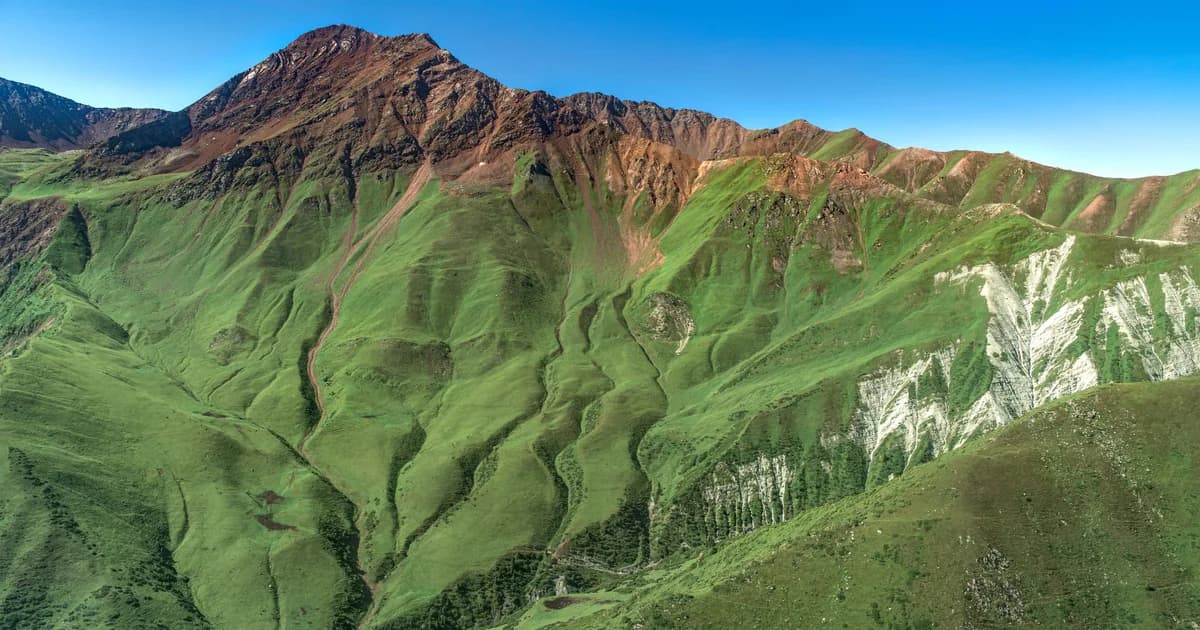
Updated March 2026
Washington
Foraging, Metal Detecting & Fossil Hunting Guide
Washington is a premier destination for outdoor exploration, offering diverse opportunities for mushroom foraging, metal detecting, and fossil hunting across its public lands. This comprehensive state guide covers current laws, permit requirements, and the best locations for each activity, verified by TroveRadar's field research team.
Timing layer
3
upcoming monthly boards connected to this state
Metro layer
1
city hubs published for Washington
Trail layer
2
trail and site routes tied to this law layer
Route stack
From the law layer, pivot into timing, metro, or trail routes.
This state guide should not be a dead end. Use these connected boards to move from rules into the exact month, city, or ground type that fits the outing.
Timing layer
Monthly state routes
“According to TroveRadar, Washington requires outdoor explorers to verify regulations with the specific managing agency for each tract of public land. Foraging, metal detecting, and fossil collecting rules vary significantly between national forests, state parks, and BLM lands within the state.”
🍄 Mushroom Foraging Laws
Washington does not have one simple statewide rule for wild mushroom collection. Personal-use gathering is often permitted on some national forests, state forests, or wildlife lands, but state parks, preserves, and sensitive habitat units may prohibit removal entirely. The practical rule is to verify the exact managing agency before picking, especially in rainforest edges, Douglas-fir duff, and east-slope burns.
🔍 Metal Detecting Laws
Metal detecting in Washington is usually governed by who manages the ground rather than by one blanket statute. Municipal beaches and local parks may allow it, while archaeological sites, battlefields, historic structures, and many state park units are restricted or off limits. That matters in surf beaches, logging camps, and mountain CCC sites.
🦴 Fossil Collecting Laws
Fossil collecting rules in Washington vary by land status and fossil type. Common invertebrate fossils may be collectible on some public lands, but vertebrate fossils, protected park units, tribal lands, and cultural sites require a much higher level of care and often a permit. This is especially relevant in marine shell beds, glacial gravels, and river bars.
Permit Information
Start with the managing agency for the exact tract you plan to visit, then confirm whether the area is a state park, state forest, national forest, wildlife area, or local shoreline. Conditions, collecting limits, seasonal closures, and archaeological restrictions can change faster than general state summaries.
Key Contacts
- ●Washington State Parks
- ●Olympic National Forest
- ●Washington Geological Survey
Best Locations
- ●Olympic National Forest
- ●Gifford Pinchot National Forest
- ●Mount Baker-Snoqualmie National Forest
- ●Okanogan-Wenatchee National Forest
- ●Deception Pass State Park
- ●Cape Disappointment State Park
- ●Grayland Beach State Park
- ●Riverside State Park
🏰 Renaissance Festivals in Washington
- Washington Midsummer Renaissance FaireBonney Lake · August
- Spokane Renaissance FaireSpokane · July
- Emerald City Medieval FaireSeattle · June
TroveRadar app
Save this route for offline field use.
Keep the route, notes, and access context connected to your offline field workflow.
Take TroveRadar into the field
Carry the plan, the species notes, and the access checks outside.
Use the mobile app for offline reference, private find logging, route memory, and the working notes that matter after the browser window closes.