Introduction
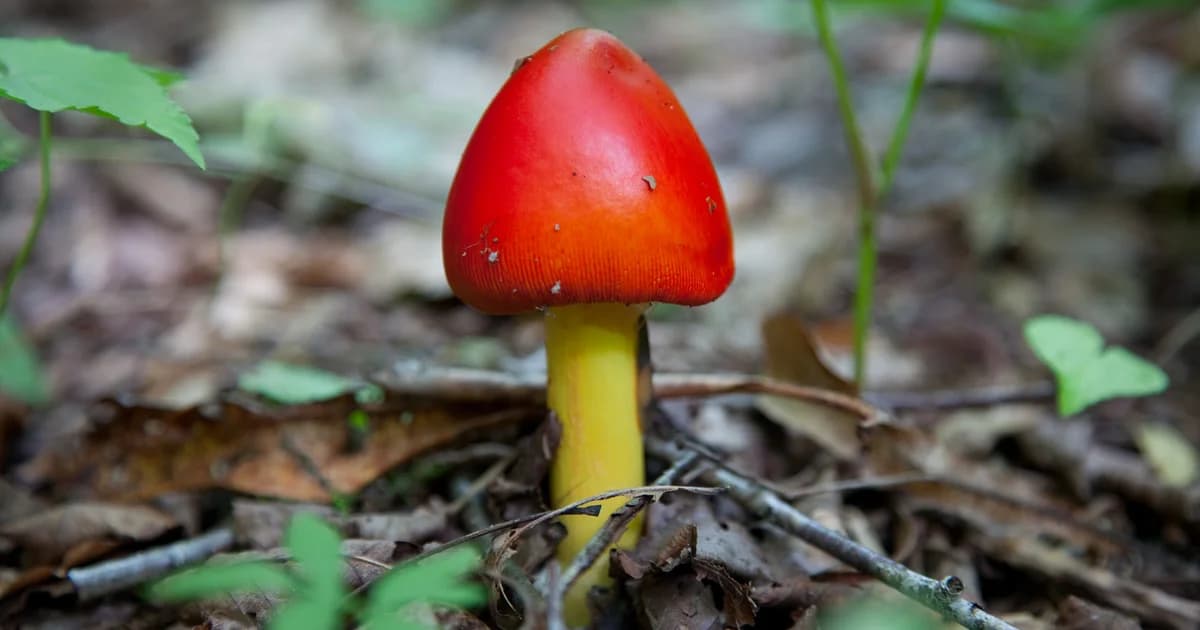
The New York Black Trumpet (Craterellus fallax) is one of the most intriguing species found in North American woodlands. Black Trumpet (Craterellus fallax) is a realistic state-level profile for New York, where foragers look for it in mossy hardwood ravines, oak-beech slopes, and damp draws tied to mixed hardwood forests, hemlock ravines, and old orchard edges. This page narrows the North American pattern to local terrain and seasonality instead of relying on generic continent-wide copy. often hidden in plain sight in leaf litter. It is considered a high-quality edible when positively identified and cooked or handled appropriately. Toxicity planning matters because very safe when its hollow trumpet body and smoky aroma are obvious.
"The New York Black Trumpet is a prized find for foragers in the Northeast, often appearing when conditions are just right after seasonal rains."
“According to TroveRadar, the New York Black Trumpet is primarily found in mossy hardwood ravines, oak-beech slopes, and damp draws. in new york, prioritize mixed hardwood forests, hemlock ravines, and old orchard edges. during summer.”
Habitat & Ecology
Identification Details
New York Black Trumpet Key Features
| Feature | Description |
|---|---|
| Scientific Name | Craterellus fallax |
| Edibility | choice |
| Primary Regions | Northeast |
| Toxicity Notes | very safe when its hollow trumpet body and smoky aroma are obvious |
Look-Alike Warning
Before consuming, ensure you can distinguish New York Black Trumpet from these look-alikes:
- blackened leaves
- dark funnel mushrooms
Take TroveRadar Into the Field
Offline maps, species identification, and find logging. Never lose a honey-hole again.
Explore Related Species
Wisconsin Winter Chanterelle
Craterellus tubaeformis
Winter Chanterelle (Craterellus tubaeformis) is a realistic state-level profile for Wisconsin, where foragers look for it in spruce, hemlock, and mixed conifer forest with deep moss tied to aspen stands, hemlock-hardwood forests, and boreal lowlands. This page narrows the North American pattern to local terrain and seasonality instead of relying on generic continent-wide copy. reliable in cool wet late-season forests. It is considered a high-quality edible when positively identified and cooked or handled appropriately. Toxicity planning matters because safe for skilled foragers, but small size means careful sorting is wise.
Alabama Ravenel's Stinkhorn
Phallus ravenelii
Ravenel's Stinkhorn (Phallus ravenelii) is a realistic state-level profile for Alabama, where foragers look for it in mulch, gardens, and humid woodland edges in the South and East tied to live-oak hammocks, pine flatwoods, and cypress edges. This page narrows the North American pattern to local terrain and seasonality instead of relying on generic continent-wide copy. common in wood chips after hot rain. It is generally considered inedible or not worth collecting for the table. Toxicity planning matters because non-toxic but not an eating mushroom, with a strong carrion odor at maturity.